
Case Studies
Marketing doesn't happen in isolation.
These examples show how marketing, content and commercial thinking were brought together to support food businesses facing different challenges.
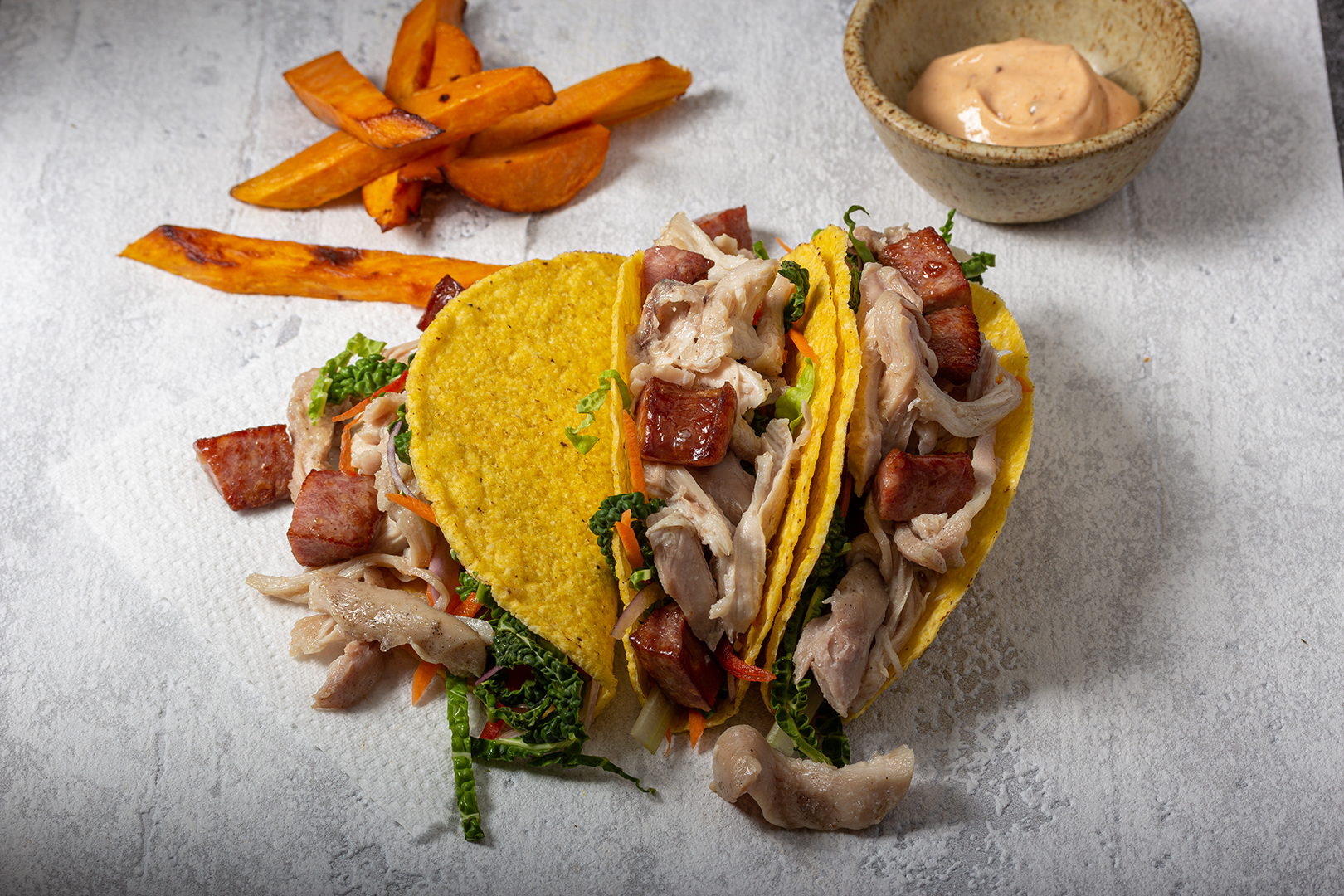
Harbourside Products
Challenge: Rebuild customer relationships and create new routes to market.
What Changed: Marketing became a practical sales tool, helping customers sell more products and supporting direct sales growth.
From Food Concept to Market-Ready Business
The Situation
An experienced chef wanted to develop food concepts beyond traditional catering and explore new opportunities in the growing outdoor dining and event market.
The Challenge
Ideas were plentiful.
The challenge was turning them into businesses that customers could understand, buy from and remember.
The Approach
Working collaboratively, we developed:
- concepts
- offers
- menus
- branding
- websites
- customer-facing materials
The focus wasn't simply marketing.
It was making sure each concept was commercially understandable and attractive.
What Changed
Several concepts were successfully launched and tested in the market.
Some evolved.
Some were refined.
Some proved more commercially sustainable than others.
Most importantly, ideas moved from conversation into reality.
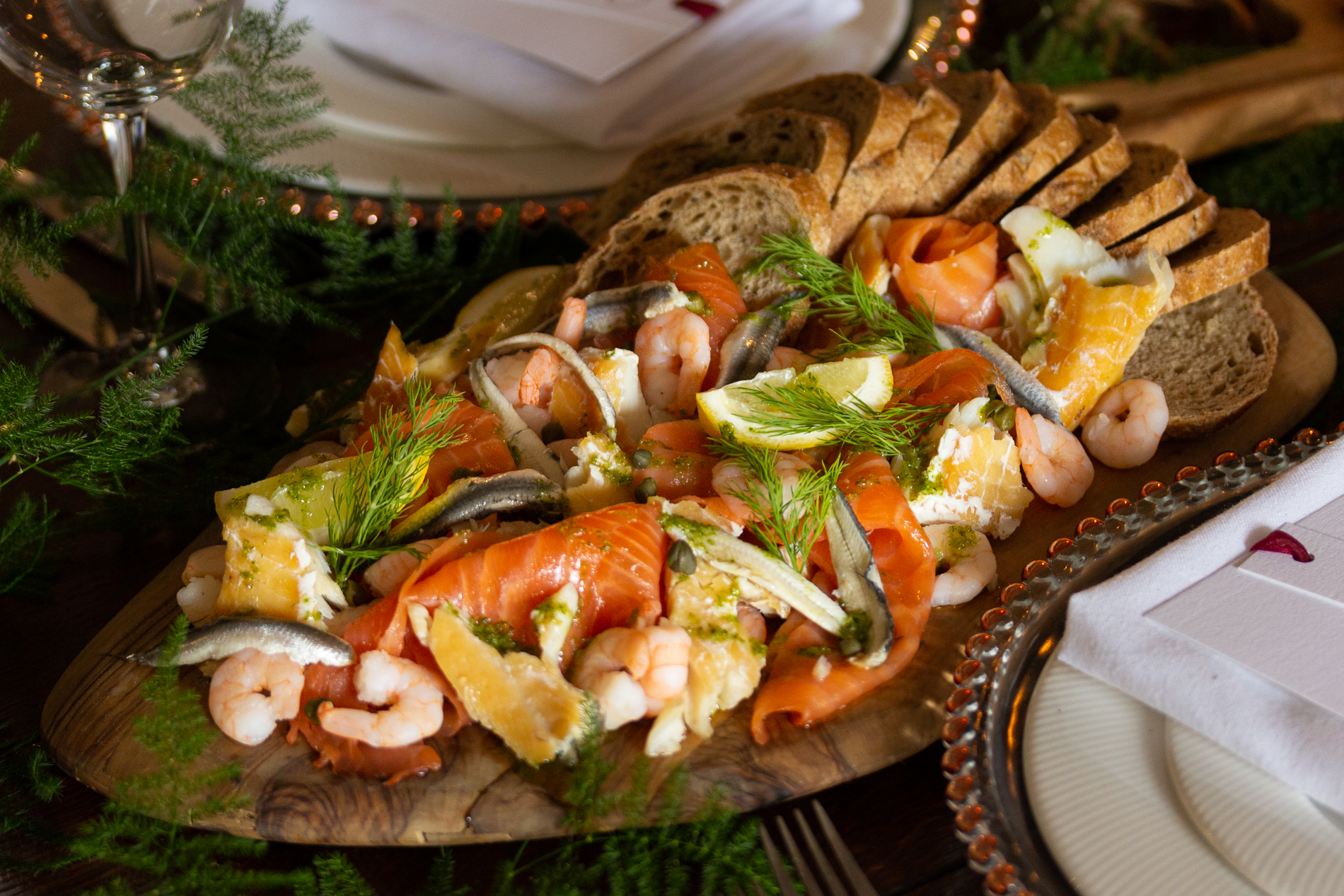
Why It Matters
Many food businesses don't struggle with creativity.
They struggle with turning ideas into focused, market-ready offers.
That's where structured thinking can make the difference.
Case Study 1 - The Story
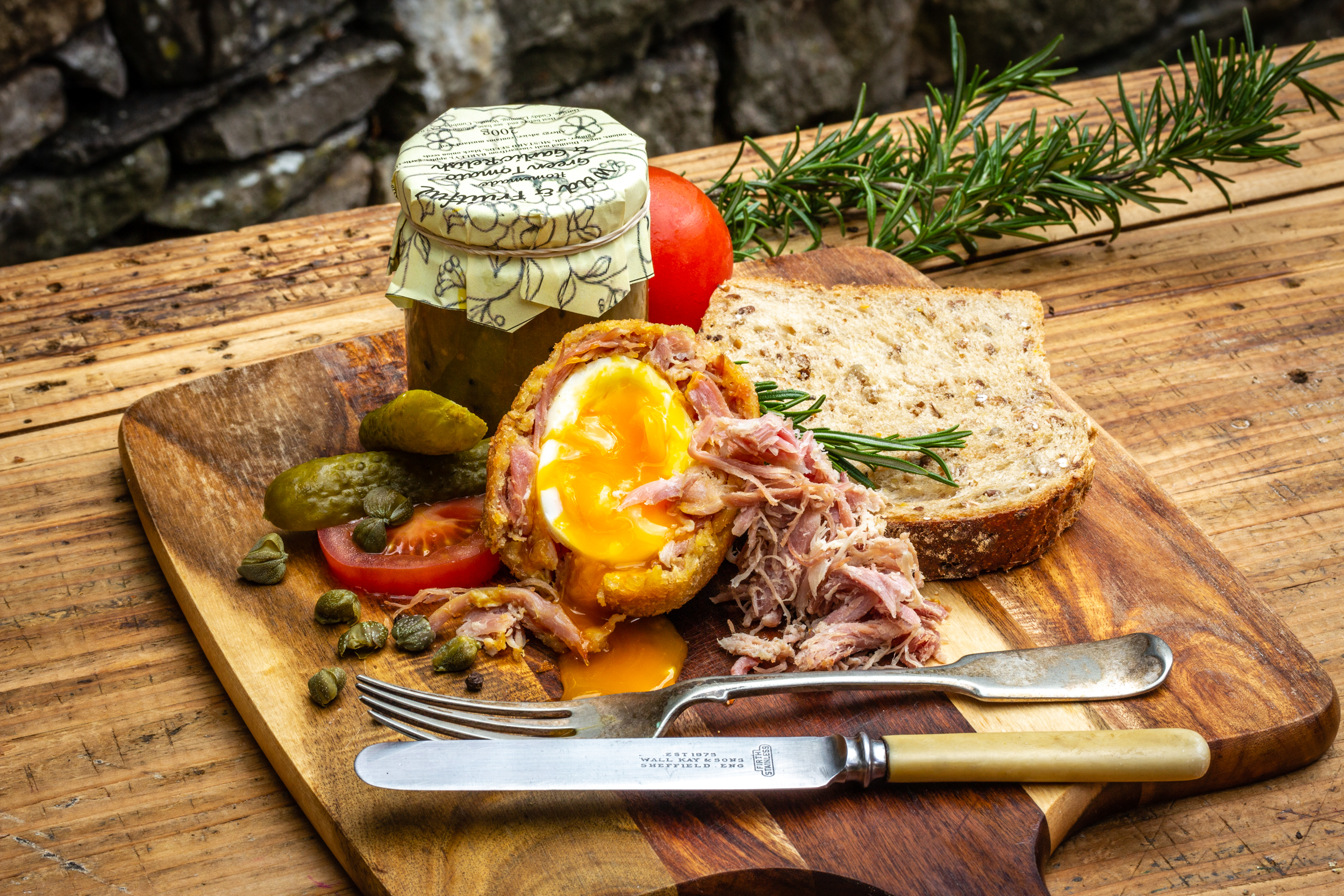
Harbourside Products – Reconnecting a Food Business With Its Customers
The Situation
Harbourside Products had good products, established wholesale customers and a respected local reputation.
But over time, customer relationships had weakened, marketing activity had become limited, and the business had little visibility beyond existing trade contacts.
There was a growing sense that opportunities were being missed.
Not because the products weren't good enough, but because the business wasn't being seen or supported in the way it needed to be.
The Real Challenge
The challenge wasn't simply marketing.
It was confidence.
Confidence among existing customers.
Confidence among former customers.
And confidence within the business that marketing effort would actually lead somewhere useful.
At the same time, Harbourside wanted to expand beyond wholesale, developing a retail range and creating direct online sales.
A Different Approach
Rather than starting with social media or advertising, the focus was placed on supporting sales and rebuilding relationships.
The website was redesigned and e-commerce introduced, creating a platform for direct sales.
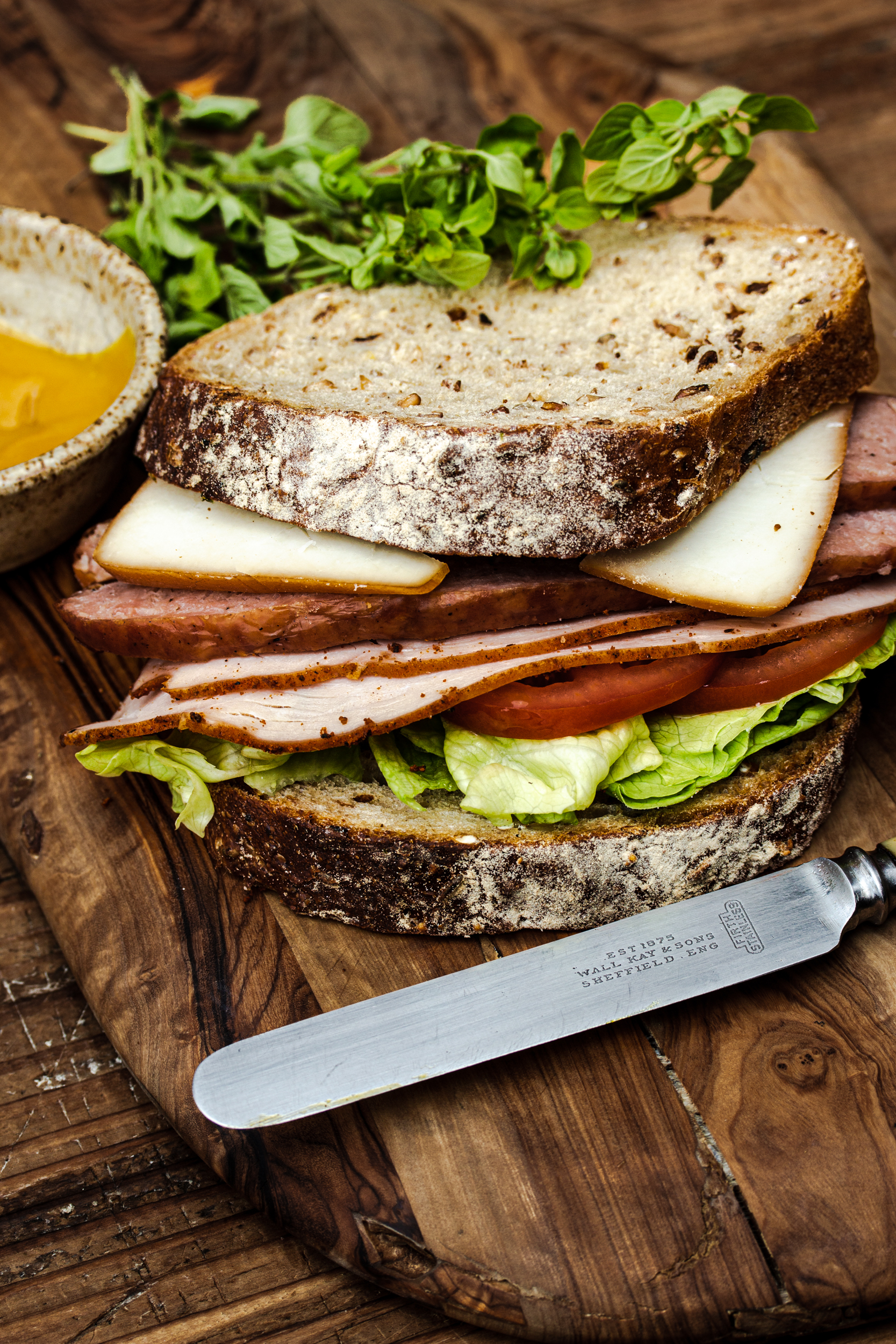
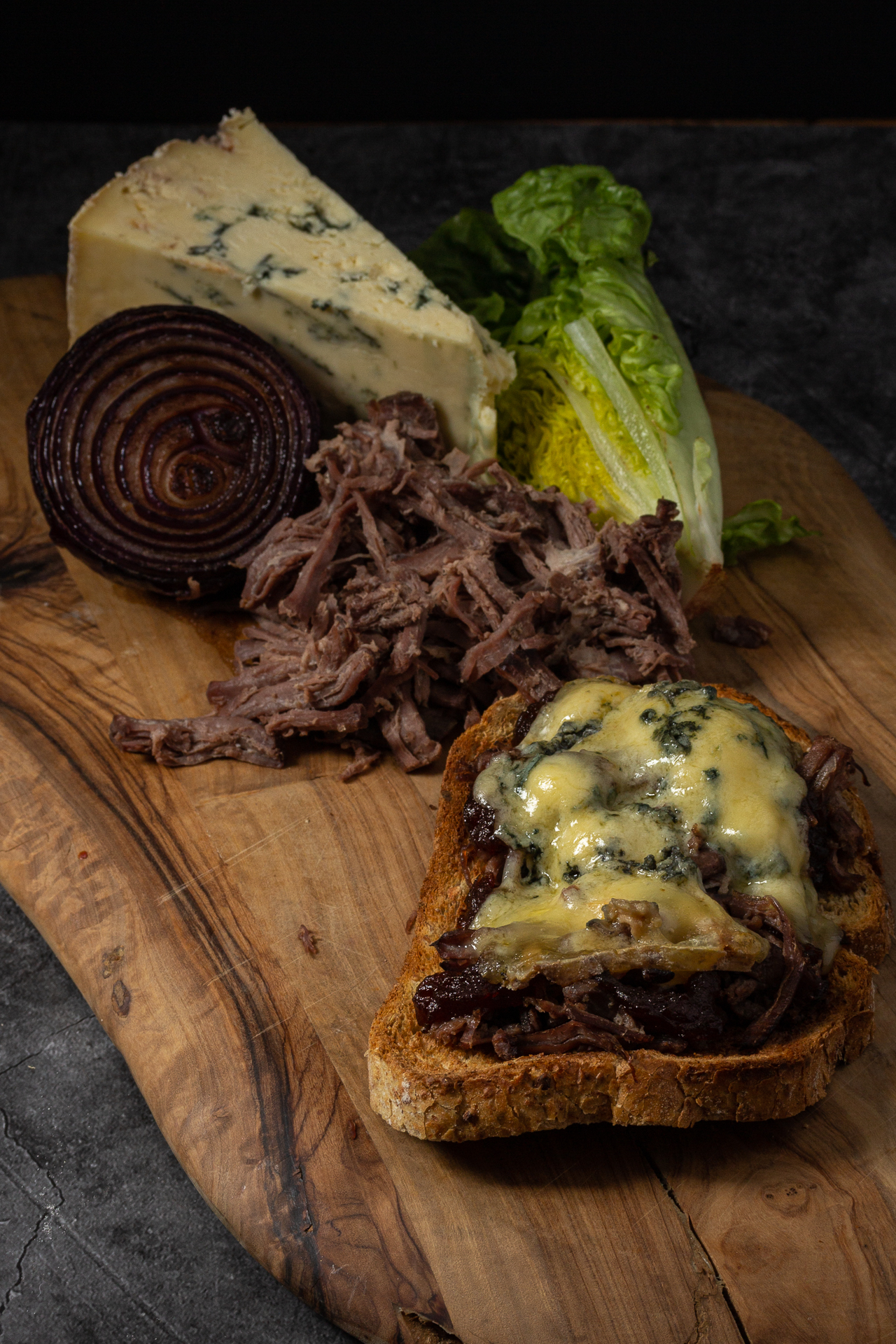
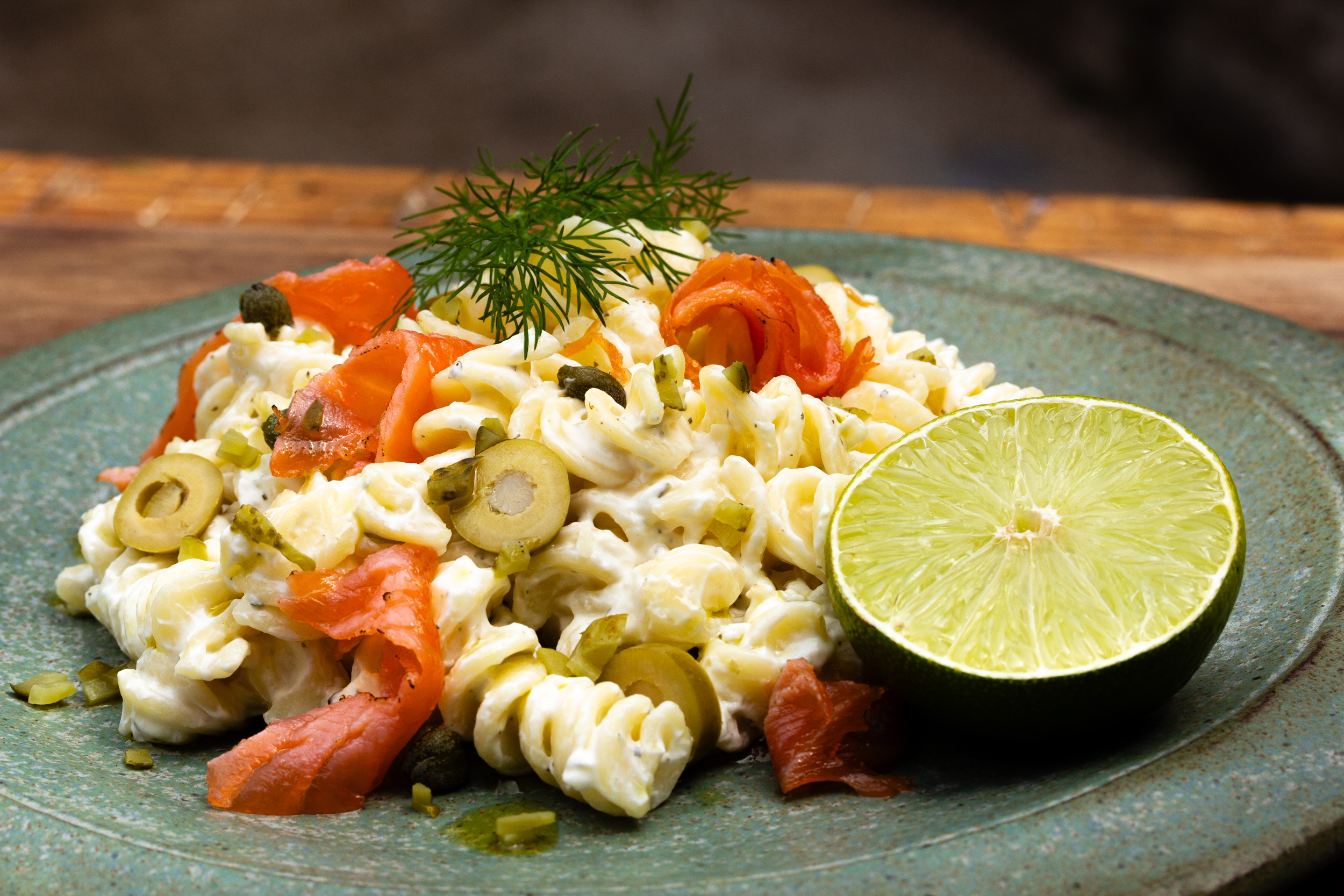
Photography and content were developed not only for Harbourside's own marketing, but also for wholesalers and customers to use in their own promotions, campaigns and sales activity.
Marketing became a shared commercial resource rather than a separate function.
The aim was simple:
Make it easier for customers to buy, sell and talk about Harbourside products.
What Changed
Customer relationships strengthened.
Lost connections were rebuilt.
Wholesale customers increased product uptake and expanded ranges.
The new retail range gained visibility and generated direct online sales.
Most importantly, marketing stopped being a disconnected activity and became part of how the business supported growth.
Why It Matters
Many food producers don't have a marketing problem.
They have a clarity problem.
When marketing, sales and customer relationships are working towards the same objective, growth becomes easier to support and easier to sustain.
That was the real change at Harbourside.
Case Study 2 - The Story
Lakeland Grazing – Turning an Idea Into a Market-Ready Business
The Situation
A chef and food entrepreneur wanted to develop a new catering concept that reflected changing customer expectations around outdoor dining, informal events and locally sourced food.
The opportunity was clear, but like many new ventures, the challenge was moving from an idea to something customers could easily understand, book and recommend.
The Real Challenge
Most new food businesses don't fail because of a lack of enthusiasm.
They struggle because the offer isn't clearly defined.
Questions such as:
- What exactly are we selling?
- Who is it for?
- How should it be presented?
- Why would someone choose us rather than alternatives?
need answering before marketing can be effective.
A Different Approach
The focus was not on building a website or creating content.
The focus was on building a business proposition.
Working together, we developed:
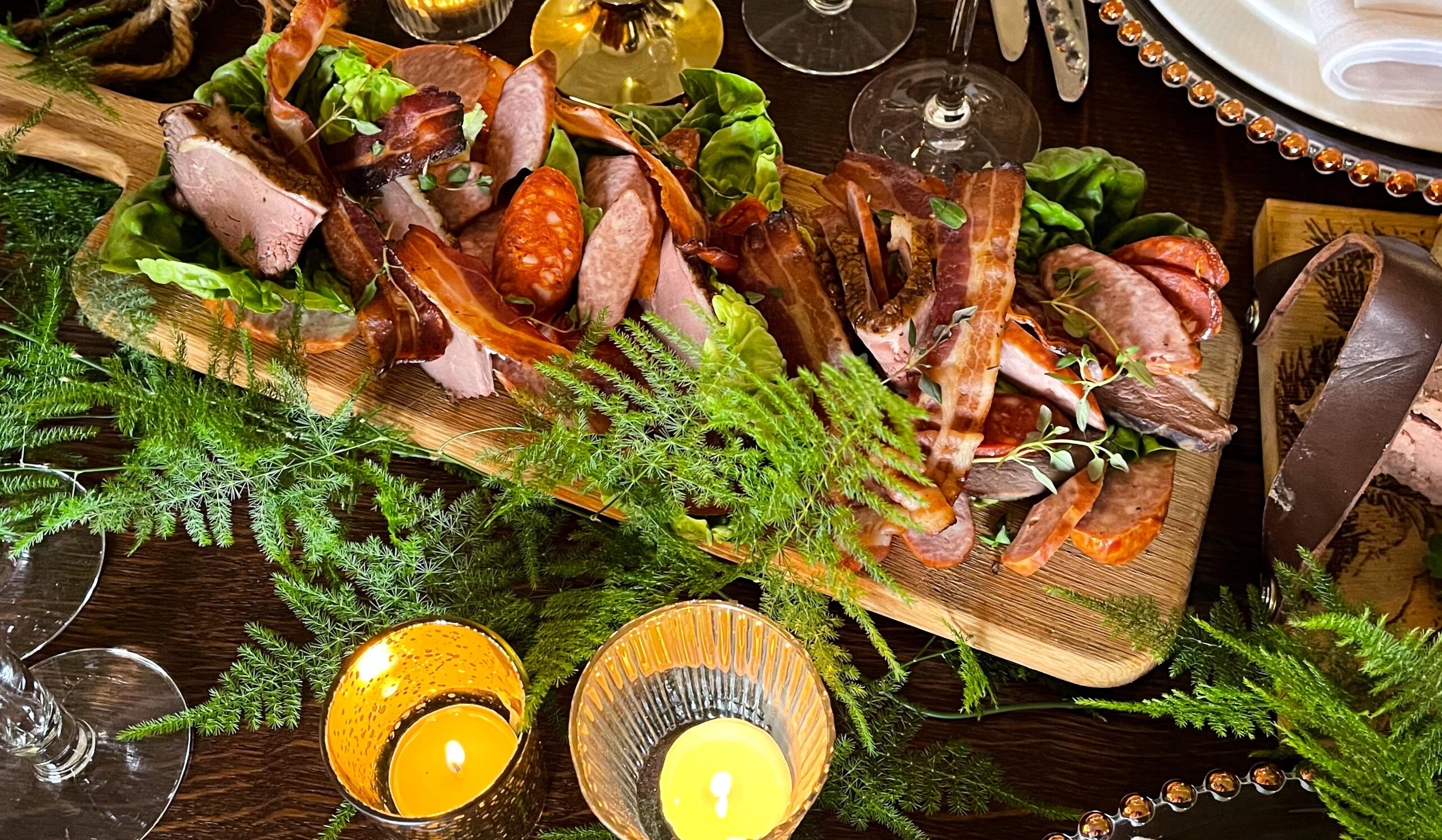
- the Lakeland Grazing concept
- the customer offer
- menu structure
- visual identity
- website and online presence
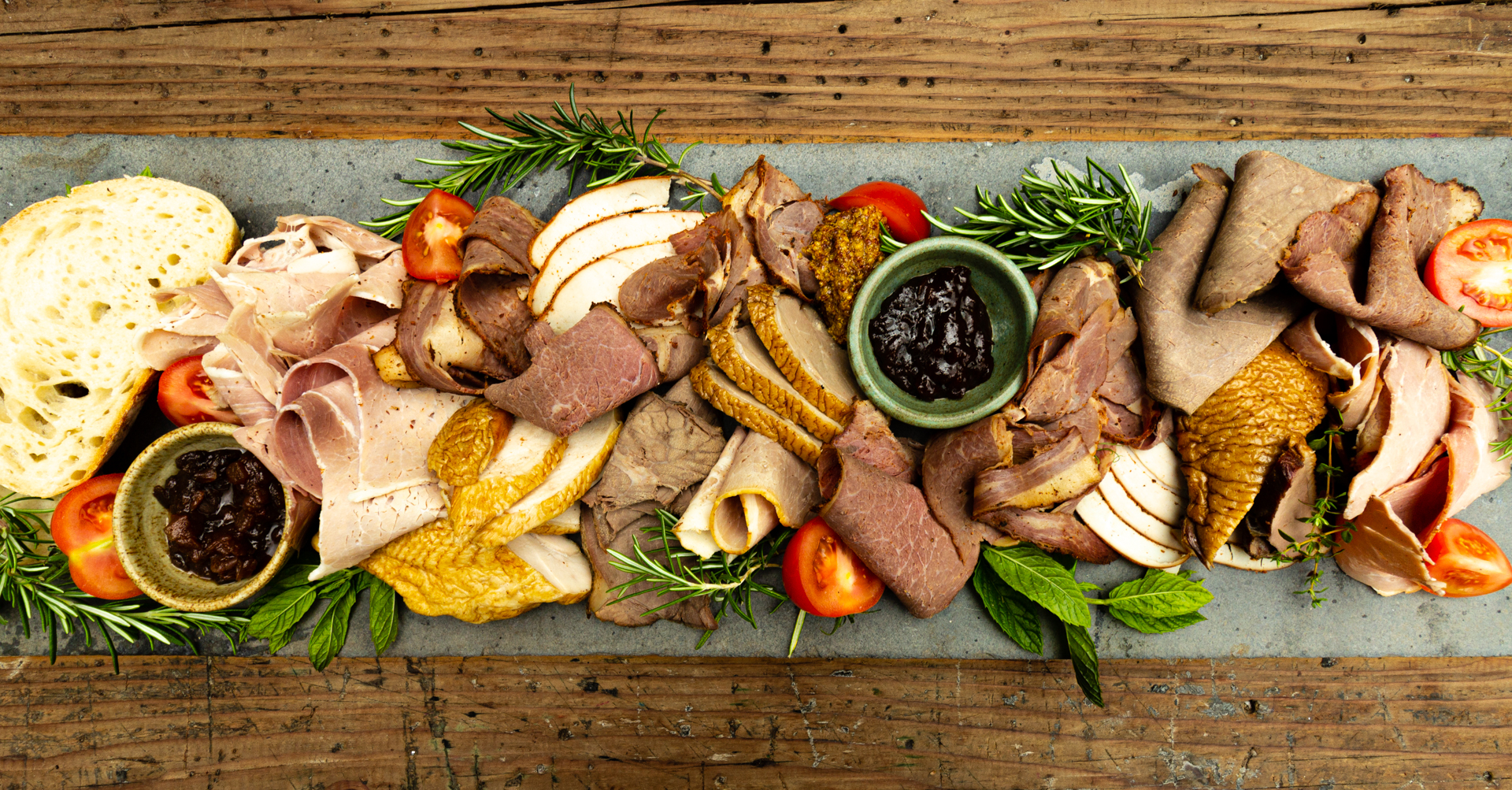
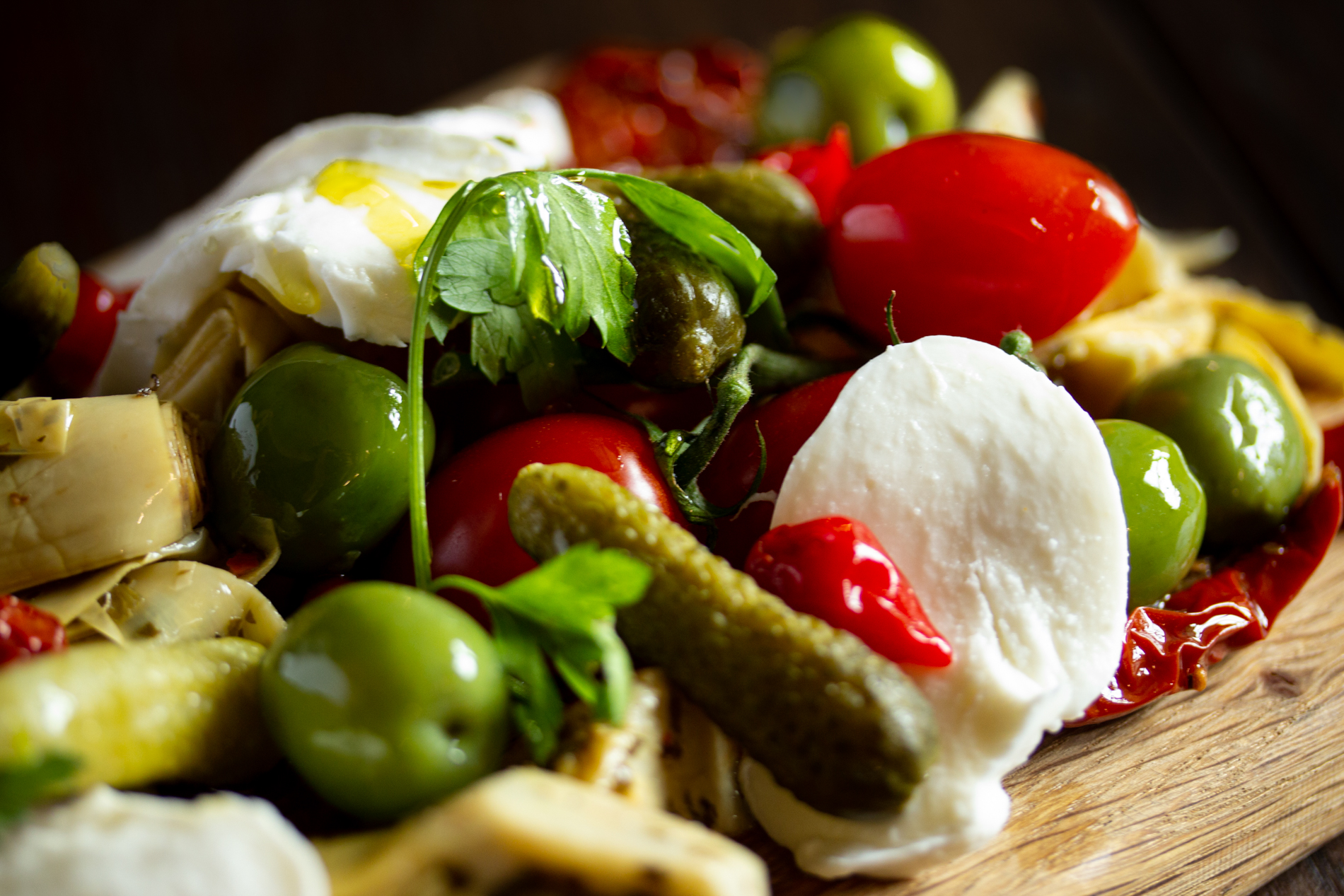
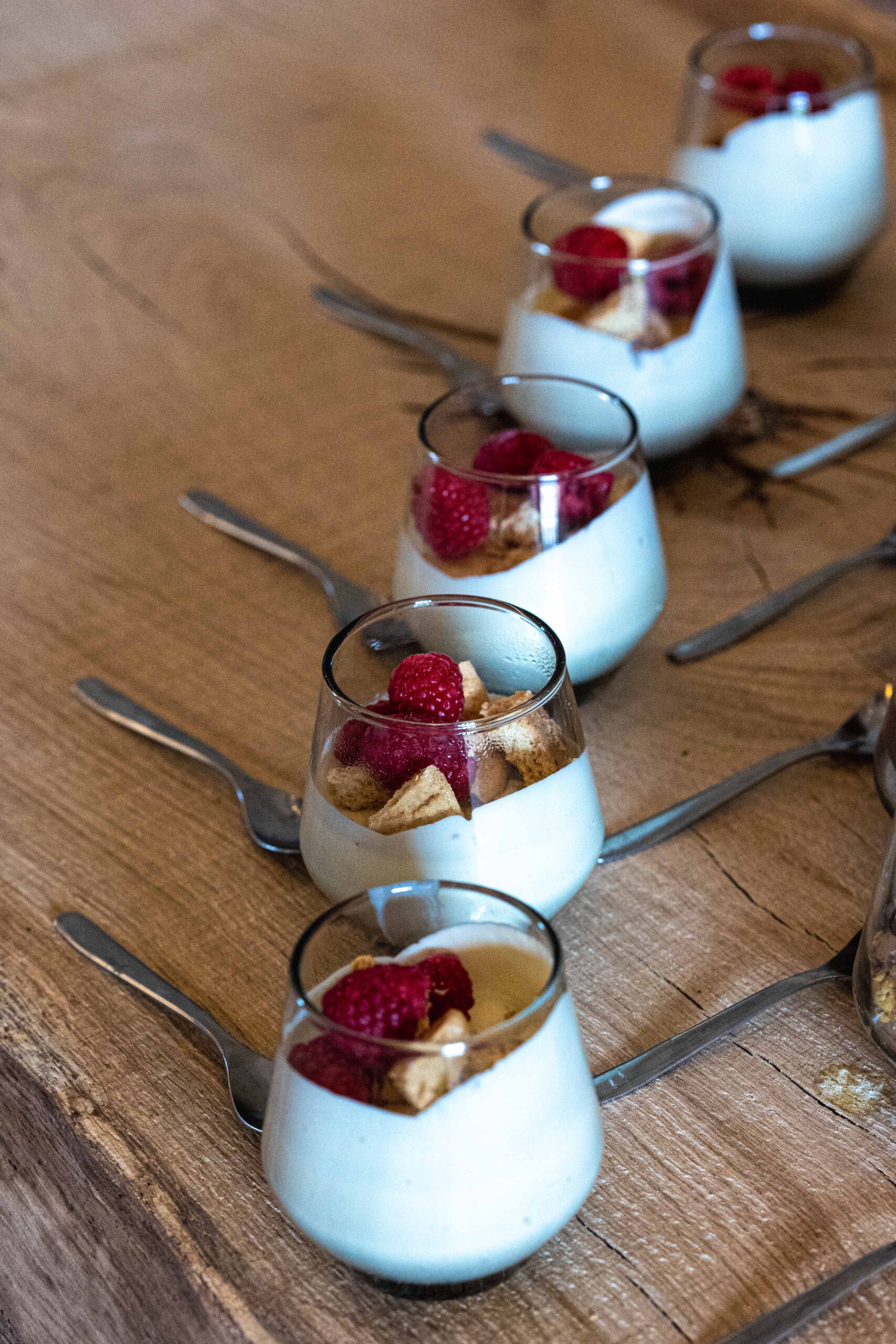
- photography and content
- launch marketing materials
Every decision was made to help customers quickly understand the offer and imagine it as part of their own event.
What Changed
Lakeland Grazing moved from an idea into a fully realised business concept.
The brand launched successfully, generated interest and enquiries, and established a distinctive position within the local catering market.
More importantly, the business had clarity.
Customers understood what was being offered, how it differed from traditional catering, and why it was relevant to them.
Why It Matters
Many food businesses begin with a product, a skill or an idea.
The challenge is turning that into something customers can immediately recognise, value and buy.
Marketing works best when it is built on a clear proposition.
Lakeland Grazing demonstrated how thoughtful development, content and marketing can help transform an idea into a market-ready business.